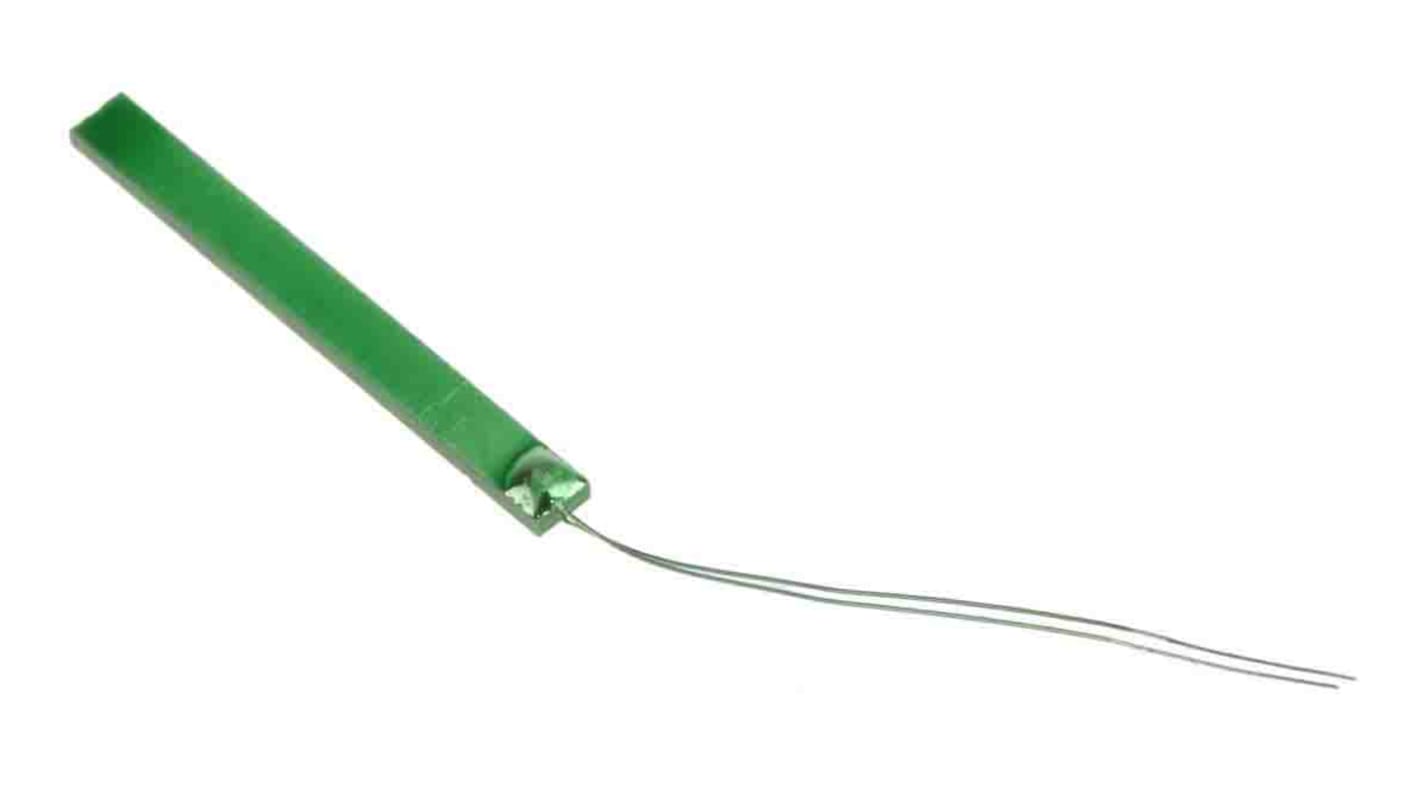
RS PRO Vibration Sensor, 100 Hz, -15°C → +55°C
- N° de stock RS:
- 285-784
- Numéro d'article Distrelec:
- 304-07-011
- Fabricant:
- RS PRO

Sous-total (1 paquet de 5 unités)*
19,94 €
(TVA exclue)
24,125 €
(TVA incluse)
Frais de livraison offerts pour toute commande de plus de 75,00 €
En stock
- 40 unité(s) prête(s) à être expédiée(s)
- Plus 850 unité(s) prête(s) à être expédiée(s) d'un autre centre de distribution
Besoin de plus? Cliquez sur " Vérifier les dates de livraison " pour plus de détails
Unité | Prix par unité | le paquet* |
|---|---|---|
| 5 + | 3,988 € | 19,94 € |
*Prix donné à titre indicatif
- N° de stock RS:
- 285-784
- Numéro d'article Distrelec:
- 304-07-011
- Fabricant:
- RS PRO
Spécifications
Documentation technique
Législations et de normes
Détails du produit
Recherchez des produits similaires en sélectionnant un ou plusieurs attributs.
Sélectionner tout | Attribut | Valeur |
|---|---|---|
| Marque | RS PRO | |
| Switching Frequency | 100 Hz | |
| Length | 15mm | |
| Width | 1.5mm | |
| Depth | 0.6mm | |
| Minimum Operating Temperature | -15°C | |
| Maximum Operating Temperature | +55°C | |
| Dimensions | 15 x 1.5 x 0.6 mm | |
| Sélectionner tout | ||
|---|---|---|
Marque RS PRO | ||
Switching Frequency 100 Hz | ||
Length 15mm | ||
Width 1.5mm | ||
Depth 0.6mm | ||
Minimum Operating Temperature -15°C | ||
Maximum Operating Temperature +55°C | ||
Dimensions 15 x 1.5 x 0.6 mm | ||
Statut RoHS : Exempté
- Pays d'origine :
- JP
RS Pro Vibration Sensor
Our own brand, RS Pro piezoceramic bi-morph element is a versatile, low power electromechanical transducer that is capable of converting mechanical or acoustic energy into electrical energy.
How does this vibration sensor work?
When the element is stressed or subjected to vibration, the minute movement causes one layer to be under tension whilst the other is under compression. Since the two layers are polarised in opposite directions the opposites stresses in each layer will produce an electrical output or charge.
Features & Benefits
• Option to use the sensor in reverse at 50 to 60 V dc
• Deflection of 10 to 20 μm
• Moisture resistant, green polyurethane varnish coating
• Non-magnetic
• Length 15 mm, width 1.5 mm and depth 0.6 mm
• High compliance, low mass
• Super-efficient
• High capacitance, low impedance
• Deflection of 10 to 20 μm
• Moisture resistant, green polyurethane varnish coating
• Non-magnetic
• Length 15 mm, width 1.5 mm and depth 0.6 mm
• High compliance, low mass
• Super-efficient
• High capacitance, low impedance
A little more info
Did you know that a vibration sensor is also known as piezoelectric sensor? They are also a high functioning, versatile tool that is used for the measurement of a multitude of processes within industries such as the medical industry, engineering, and nuclear technicians. A vibration sensor uses something called the piezoelectric effect - which is something that measures the changes in pressure, acceleration, temperature, strain or the force of something through converting them to an electrical charge. A vibration sensor can also be used to determine aromas in the air by simultaneously measuring resonance and capacitance.
Liens connexes
- TE Connectivity Vibration Sensor -20°C → +60°C
- Vibration Sensor -20°C → +80°C
- Honeywell Vibration Sensor -55°C → +120°C
- Monitran Vibration Sensor -55°C → +120°C
- Monitran Vibration Sensor -55°C → +140°C
- ABUS Vibration Sensor 16V Max → +55°C
- Hauber Elektronik Vibration Sensor 20 mA Max -35°C → +125°C
- Hauber Elektronik Vibration Sensor 20 mA Max -40°C → +85°C