Werma BM 280 Series Red Steady Beacon 230V ac, LED Bulb Base, IP65
- N° de stock RS:
- 678-2935
- Référence fabricant:
- 280.410.68
- Fabricant:
- Werma

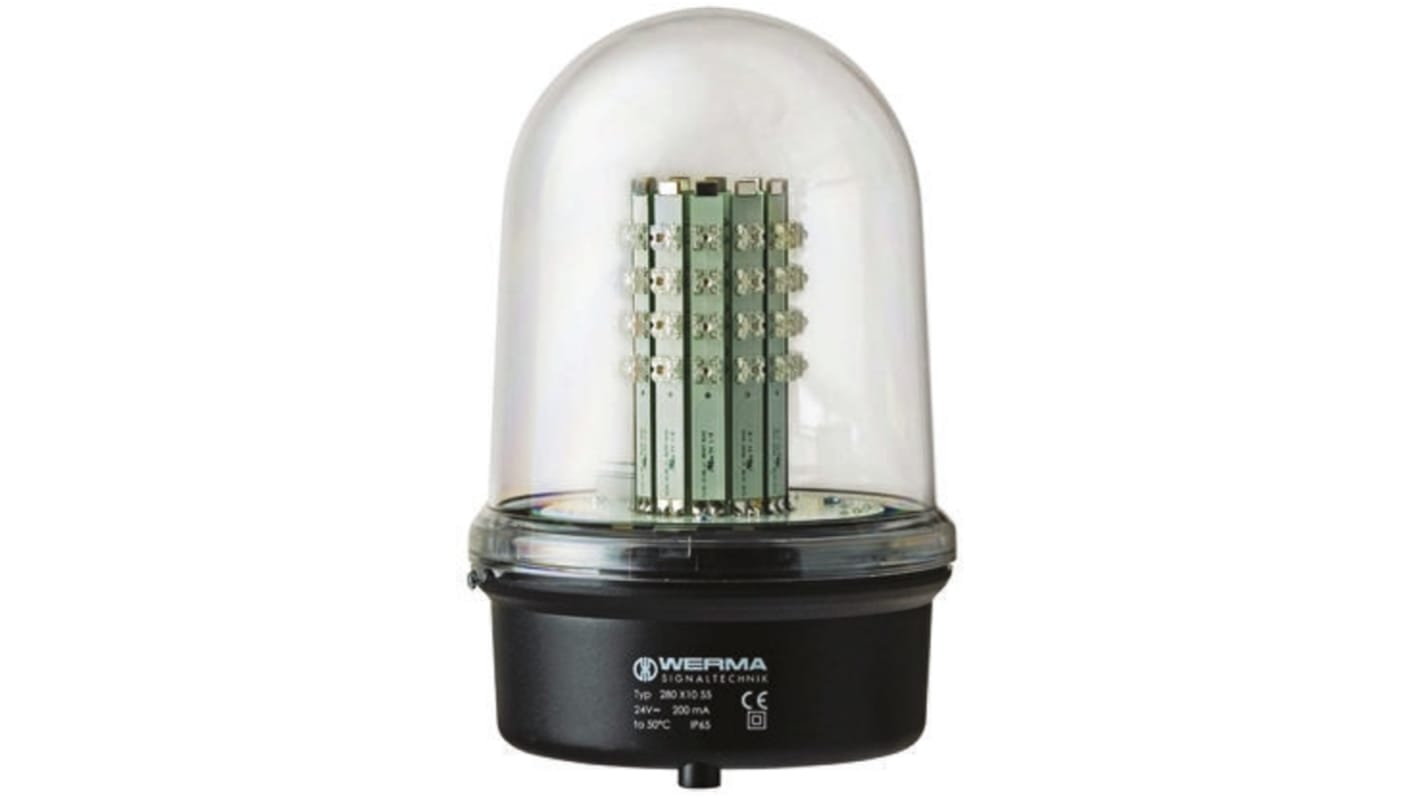
Visuel non contractuel
Sous-total (1 unité)*
501,26 €
(TVA exclue)
606,52 €
(TVA incluse)
Frais de livraison offerts pour toute commande de plus de 90,00 €
En stock
- 1 unité(s) prête(s) à être expédiée(s)
Besoin de plus? Cliquez sur " Vérifier les dates de livraison " pour plus de détails
Unité | Prix par unité |
|---|---|
| 1 + | 501,26 € |
*Prix donné à titre indicatif
- N° de stock RS:
- 678-2935
- Référence fabricant:
- 280.410.68
- Fabricant:
- Werma
Spécifications
Documentation technique
Législations et de normes
Détails du produit
Recherchez des produits similaires en sélectionnant un ou plusieurs attributs.
Sélectionner tout | Attribut | Valeur |
|---|---|---|
| Marque | Werma | |
| Product Type | Beacon | |
| Light Effect | Steady | |
| Lens Colour | Red | |
| Housing Material | Polycarbonate, ABS | |
| Bulb Type | LED | |
| Mount Type | Base | |
| Current Consumption | 50mA | |
| Current Type | AC | |
| Base Diameter | 142mm | |
| Housing Colour | Black | |
| Lamp Included | Yes | |
| Maximum Supply Voltage | 230V ac | |
| Minimum Operating Temperature | 30°C | |
| Series | BM 280 | |
| Maximum Operating Temperature | 50°C | |
| Height | 218mm | |
| IP Rating | IP65 | |
| Standards/Approvals | CE, EAC | |
| Sélectionner tout | ||
|---|---|---|
Marque Werma | ||
Product Type Beacon | ||
Light Effect Steady | ||
Lens Colour Red | ||
Housing Material Polycarbonate, ABS | ||
Bulb Type LED | ||
Mount Type Base | ||
Current Consumption 50mA | ||
Current Type AC | ||
Base Diameter 142mm | ||
Housing Colour Black | ||
Lamp Included Yes | ||
Maximum Supply Voltage 230V ac | ||
Minimum Operating Temperature 30°C | ||
Series BM 280 | ||
Maximum Operating Temperature 50°C | ||
Height 218mm | ||
IP Rating IP65 | ||
Standards/Approvals CE, EAC | ||
WERMA Beacon, Obstruction Light Type, 50mA Current Consumption - BM 280 Series - 280.410.68
When you need a high-output warning beacon to mark aviation obstacles, choose this LED obstruction light from WERMA. You can use it on tall buildings, towers or other high-rise structures in the vicinity of airports and airfields to make sure they're clearly visible to low-flying aircraft. An IP65 rating means it's protected against dust and low-pressure water jets, making it suitable for outdoor use.
Features & Benefits
• Long service life of up to 50,000 hours for long-lasting performance
• Wide operating temperature range between -30°C and +50°C for use in challenging environments
Applications
• Telecommunications
• Factory chimneys
• Aircraft hangars
How do I know what kind of obstruction light I need?
The International Civil Aviation Organisation (ICAO) establishes universal regulations for aviation safety among UN members. These aren't legally binding in themselves, but individual authorities must transform them into appropriate laws. Check with your national aviation regulatory body for local requirements.
Liens connexes
- Werma BM 280 Series Red Steady Beacon 230V ac IP65
- Werma BM 280 Series Yellow Steady Beacon 50V dc IP65
- Werma BM 280 Series Yellow Beacon 230V dc IP65
- Werma BM 280 Series Red Steady Beacon Surface Mount IP65
- Werma BM 844 Series Yellow Beacon 230V ac IP65 Base
- Werma EvoSIGNAL Maxi Series Blue Flashing LED Bulb Base, IP66
- Werma BM 280 Series Yellow Flashing Beacon Surface Mount, LED Bulb
- Werma BM 280 Series Red Rotating Beacon Surface Mount, LED Bulb